Photos coming soon
Farm
equipment
Only photos from this job will go here.
Farm equipment
Farm equipment, washed really clean
“Everything came out really clean and the whole process was easy from start to finish.”
Jason R. · Farm equipment
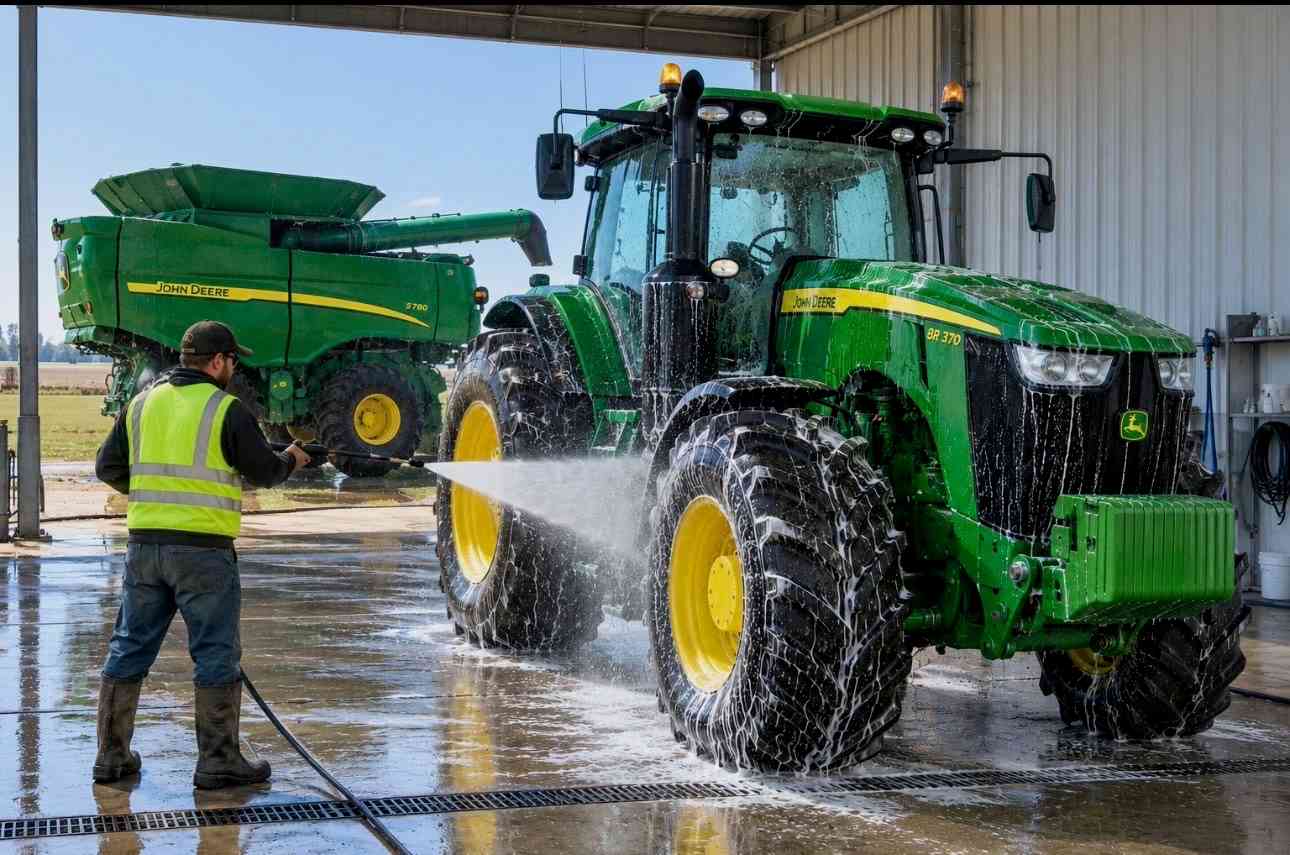
ServicesFarm equipment
We wash tractors, skid steers and combines in your yard, with hot or cold water and degreaser where it's needed. Our rig carries hot and cold water pressure washers and hoses, not water: we hook up to your hydrant or tap.
1–6 hours*
Per machine, by size and build-up.
Tractors to combines
Mud, grease and manure off.
After harvest
Before the machines are parked.
Hot or cold water
Degreaser only where needed.
Windsor to Kingston
Lake Erie to Georgian Bay.
* Typical; your quote confirms it.
01 · When to book
Tell us what needs washing and when it suits. We’ll get back to you to agree a day and a price.
Sep–Nov
Combines and tractors after harvest, before they're parked for winter1–6 hrs each*
Chaff and crop residue left on a machine hold moisture and make a home for mice. A late-fall wash outside needs a day above freezing and time to dry.
Tractors and skid steers with manure packed onAbout 1 hr per skid steer* · 1–3 hrs per tractor*
Manure left on steel corrodes it. Wash before the machine sits.
Machines going in for winter service, a trade-in or an auction1–6 hrs each*
Leaks, cracks and worn parts show on a clean machine, and a clean machine shows better when you sell.
02 · What we wash
Tell us what you want done. Degreaser where it’s needed, hot or cold water for the rest.
You do
We do
03 · Farm stories
Photos coming soon
Farm
equipment
Only photos from this job will go here.
Farm equipment
“Everything came out really clean and the whole process was easy from start to finish.”
Jason R. · Farm equipment
References
Most farmers hear about us from a neighbour. Tell us your county and your machine, and we’ll ask a customer nearby if they’re happy to take your call. No sales pitch from us.
04 · Pricing
Every machine is different, so we price yours after a few questions or photos. These are the things that change the price:
05 · Questions
Something else on your mind? Call or text — you’ll talk to the crew, not a call centre.
Yes. Our rig carries hot and cold water pressure washers and hoses, not water. We hook up to your hydrant or tap. If your well is slow or also waters the herd, tell us when you book.
Tractors, skid steers and combines, from a loader tractor to a combine with its head. Got a grain cart, spreader or planter as well? Ask us.
About an hour* for a skid steer, 1–3 hours* for a tractor and 3–6 hours* for a combine with its head. Washing several machines in one visit saves set-up time.
It can, if high pressure hits bearings, belts, sensors or wiring. We keep the wand back from those parts. Show us anything you want kept dry.
After harvest, before the machines are parked for winter, is the usual time. Late in the season, a wash outside needs a day above freezing and time to dry. Short notice? Call or text: if we have room, we'll come.
Yes. Soil and weed seed ride on tires, tracks and headers, and Ontario grain advice is to clean machines before they move to clean fields. Tell us the day it has to go.
We quote by the job, once we know the machines and how dirty they are. Size, build-up and how many machines in one visit all change it.
06 · More services
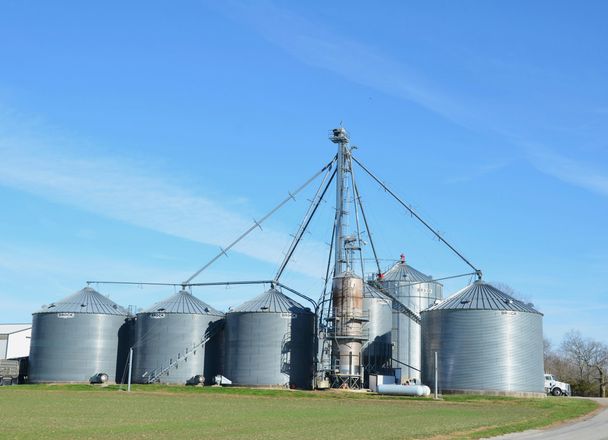
Elevators · Grain dryers
Grain elevators and dryers washed down once the grain is out, clearing the dust and fines of harvest.
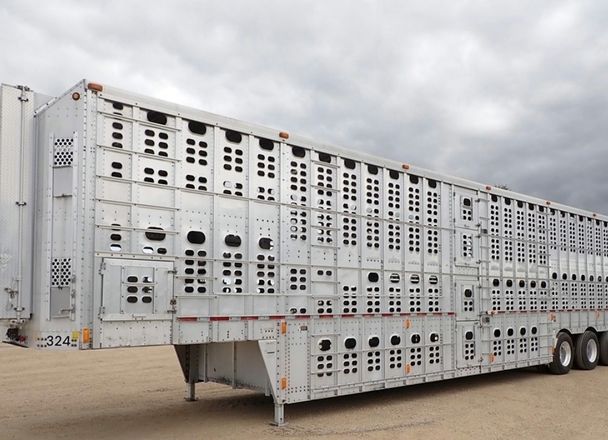
Hog trailers · Triple-decks
Every deck and the ramp washed from the top deck down at your wash bay, between loads.
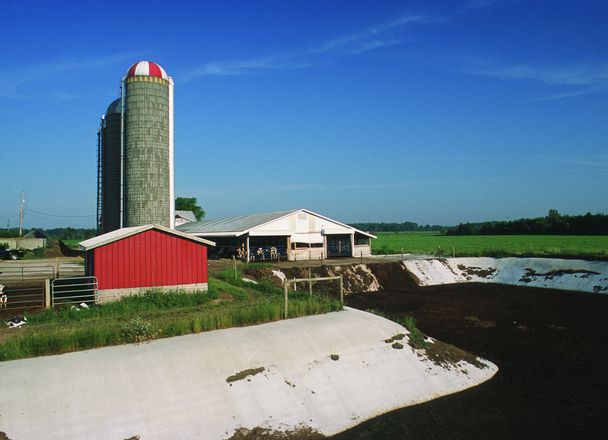
Pit walls · Pit floors
Pit walls and floors washed back to bare concrete after your applicator pumps out.
Anything else?
We’ll tell you straight if it’s a job for us.
Ready when you are