Once the grain is out
Bins and pits before harvest.
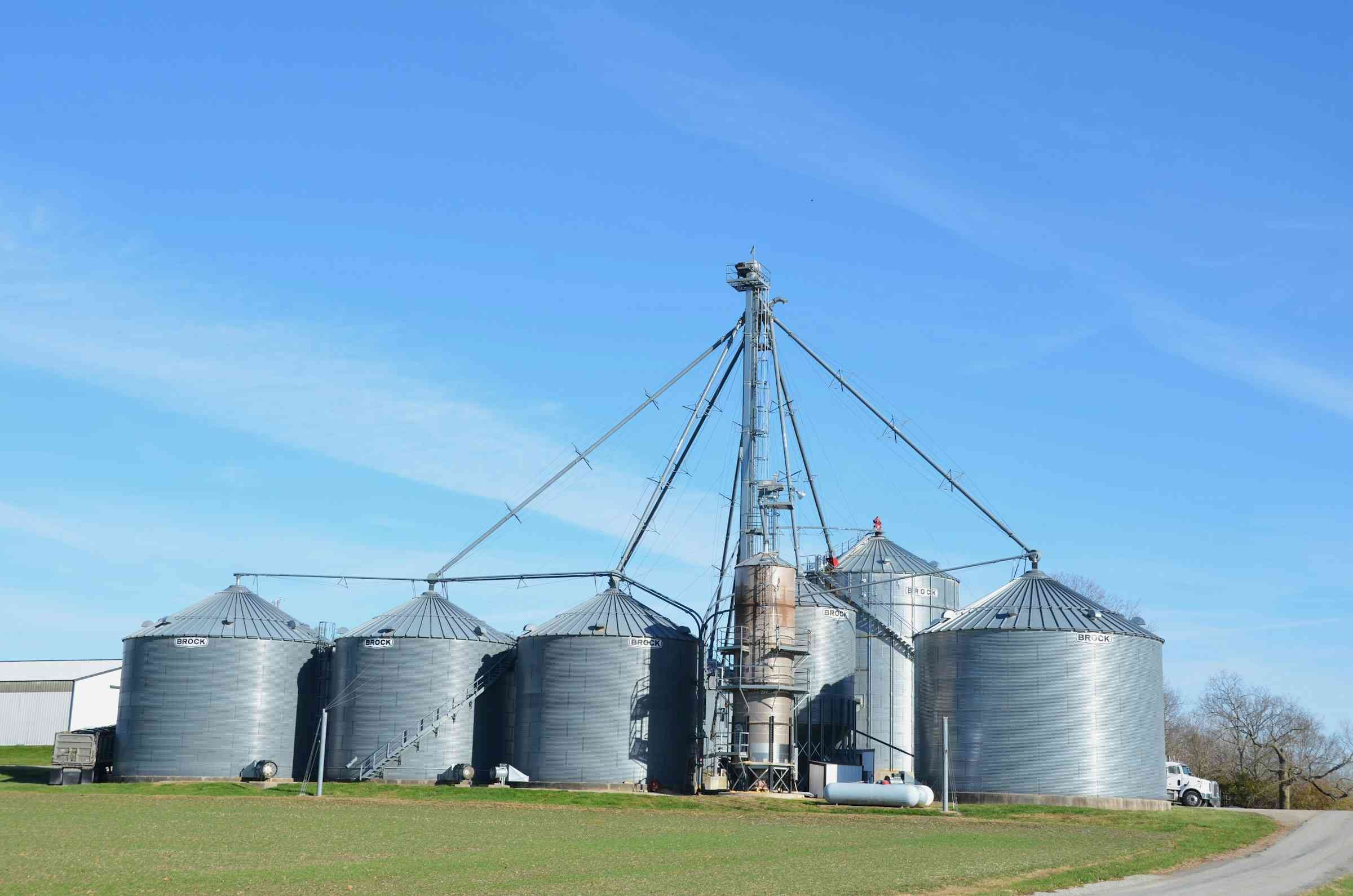
ServicesGrain elevators
We wash grain elevators and grain dryers once the grain is out, clearing the dust and fines a harvest leaves behind. Our rig brings hot and cold water pressure washers and hooks up to your water.
Once the grain is out
Bins and pits before harvest.
Elevators and grain dryers
Dust and fines washed down.
Dryer fires
About 80% start with trash buildup.
Hot or cold water
Our washers, your hydrant.
Windsor to Kingston
Lake Erie to Georgian Bay.
01 · When to book
Pick the window that suits your harvest, or call when the bins are empty. We’ll get back to you to agree a day and a price.
Dec–Feb
Little or no outdoor washing
Outdoor washing needs days above freezing and time to dry.
Mar–May
Bins and pits once last year's crop shipsYour quote gives the time
A major clean once the bins are empty, then time to dry before the next fill (Devolder Grain Systems in Ontario Grain Farmer, Sept 2018).
Jun–Aug
Before wheat, then before soybeans and cornYour quote gives the time
Wheat comes off in late July to early August. Leave time for surfaces to dry before grain goes in.
Sep–Nov
Dryers after the last corn, and outsides before freeze-upYour quote gives the time
Dryer fires are most common at the start of harvest, when leftover grain and debris haven't been cleaned out (Farmtario, Oct 2019). A mild, dry day helps.
02 · What we wash
Tell us what you want done. We wash from the top down, so dust and fines don’t land on clean surfaces.
You do
We do
03 · References
Most farmers hear about us from a neighbour. Tell us your county and your grain system, and we’ll ask a grain customer nearby if they’re happy to take your call. No sales pitch from us.
04 · Pricing
Every grain system is different, so we price yours after a few questions or photos. These are the things that change the price:
05 · Questions
Something else on your mind? Call or text — you’ll talk to the crew, not a call centre.
Your grain system, once the grain is out: the dryer, the leg and its boot, the bins and aeration floors, the dump pit, conveyors, augers and spouting, and the outsides. We wash; we don't remove grain, spray bins or fumigate.
Only after it's swept and vacuumed out, and only if it can dry before it's filled. Often a dry clean-out is all a bin needs. A wash helps when residue is caked on, after spoiled grain, or before a food-grade crop if the buyer allows it.
Yes. Once it's cold, with the burner, fuel and fans locked out, we wash the columns, screens, plenum and outside, with the burner covered and water kept off the controls. OMAFA says regular wash-down and clean-up is the most effective way to limit dust build-up at a dryer.
We wash from the door, hatch or grate. If a job would need anyone inside, we plan it with you first (lockout, air testing and someone watching from outside) or we don't go in. Never into a bin with grain in it.
When it's empty and has time to dry before the next crop: after last year's grain ships, before wheat in late July, in the gaps before soybeans and corn, and dryers after the last corn. Outside work needs a day above freezing. Short notice? Call or text: if we have room, we'll come.
Yes. Our rig carries hot and cold water pressure washers and hoses, not water. We hook up to your hydrant or tap. Cold water lifts dust and chaff; hot water cuts grease and soot. Tell us where the wash water should go.
No. Bin treatments and fumigation done for a fee are licensed pest-control work. Tell us if a bin has been treated; we stay out until it's cleared.
06 · More services
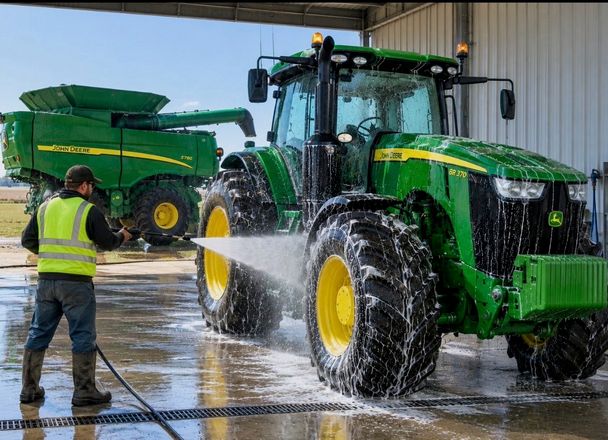
Tractors · Skid steers · Combines
Hot or cold water and degreaser where needed — mud, grease and manure off, ready for the shed, the shop or the sale.
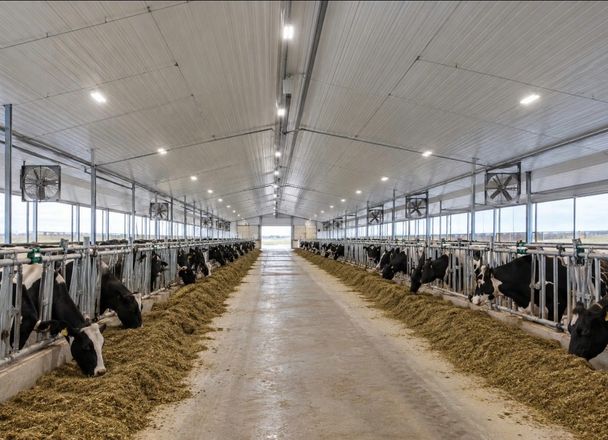
Freestall · Tie-stall · Robot barns
Ceilings and liners, fans, chimneys and head gates, washed panel by panel for your annual barn wash.
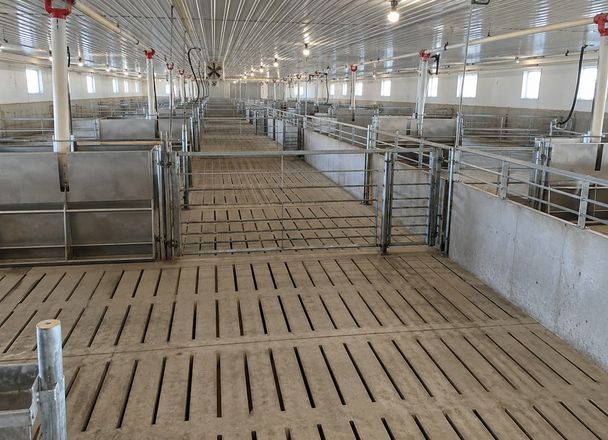
Nursery · Finishing rooms
Pens, gates, slats, feeders, fans and heaters power washed room by room, between batches.
Anything else?
We’ll tell you straight if it’s a job for us.
Ready when you are