Spring or fall
With the horses out for the day.
ServicesHorse barns
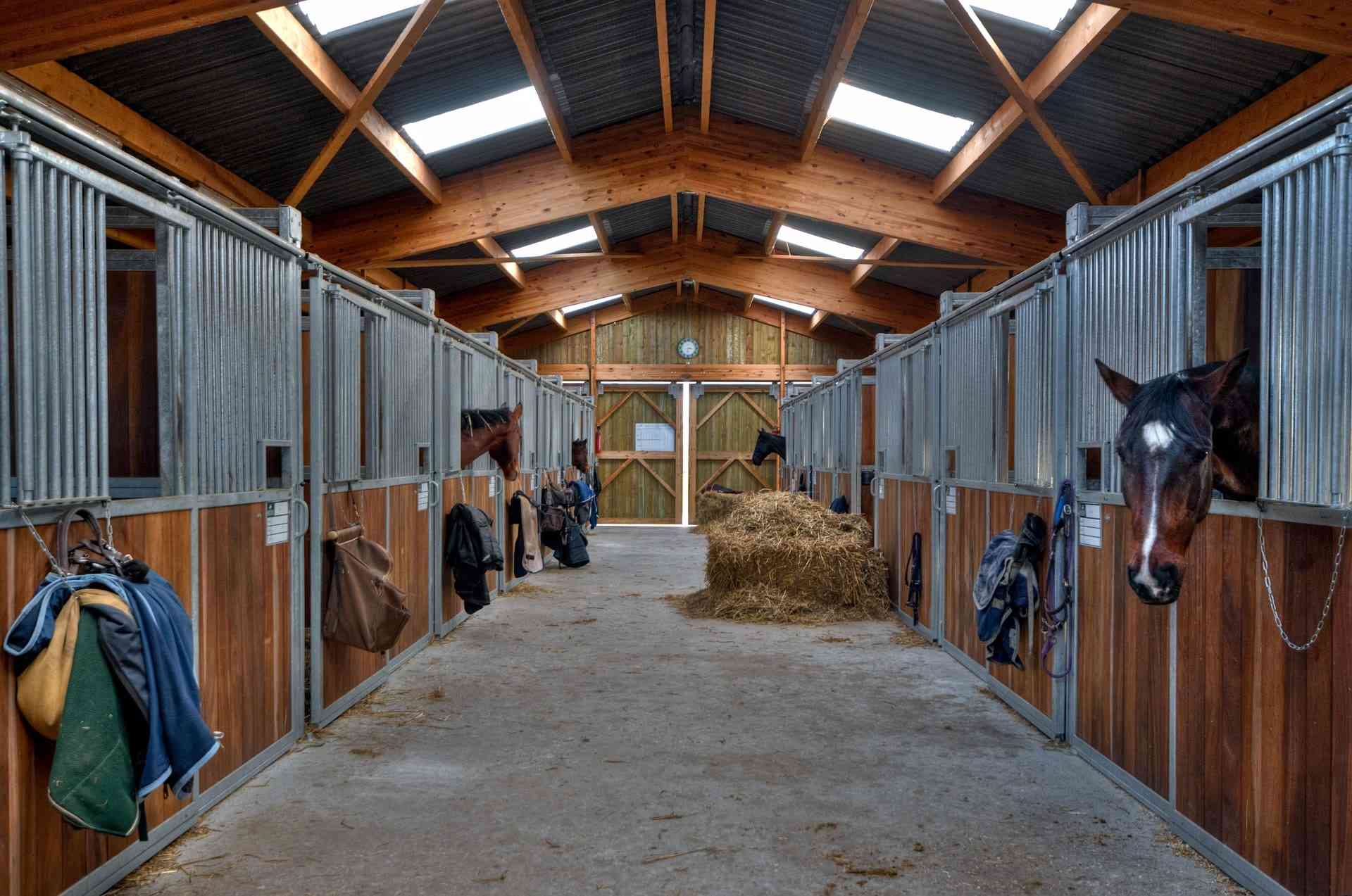
We wash horse barns and stables at your farm, from the rafters down: stalls, aisles, walls and ceilings, fans and windows, wash bays and indoor arena kick walls. Our rig brings hot and cold water pressure washers and hoses, and we hook up to your water. Book it as your spring or fall barn wash, with the horses out for the day.
Spring or fall
With the horses out for the day.
Rafters to aisles
Stalls, fans, windows, wash bays.
Cobwebs and dust
Highly combustible, says OMAFA.
Hot or cold water
Our washers, your hydrant.
Windsor to Kingston
Lake Erie to Georgian Bay.
01 · When to book
Pick a mild, dry day with the horses out, or call when a stall empties. We’ll get back to you to agree a day and a price.
Any time
When a stall empties
Single stalls, foaling stalls and wash baysYour quote gives the time
A boarder moves out or a mare and foal move on: tell us which stalls, and we wash them while they’re empty.
Indoor arenas, between rides
Kick walls, framing and wallsYour quote gives the time
We agree with you before the day how the footing is protected and where the wash water goes.
Dec–Feb
Little or no washing in cold barns
Wash water freezes on the floor of an unheated barn, and the stalls can’t dry. Heated barns and wash bays can go on a mild day.
Mar–May
Spring barn wash, once the cold breaksYour quote gives the time
Pick a mild, dry day with the horses out on turnout, and open the doors so the barn dries before they come back in.
Jun–Aug
Barns with the horses out on pastureYour quote gives the time
Warm days dry a washed barn fastest. Add the stall fans and windows while the barn is empty.
Sep–Nov
Before the horses come in for winterYour quote gives the time
Wash while the days are still mild, so the barn dries before the nights freeze.
02 · What we wash
Tell us what you want done. We wash from the rafters down, so the dust from above never lands on clean stalls.
You do
We do
03 · References
Most farmers hear about us from a neighbour. Tell us your county and your horse barn, and we’ll ask a horse barn customer nearby if they’re happy to take your call. No sales pitch from us.
04 · Pricing
Every horse barn is different, so we price yours after a few questions or photos. These are the things that change the price:
05 · Questions
Something else on your mind? Call or text — you’ll talk to the crew, not a call centre.
Book it in spring or fall, on a mild, dry day with the horses out, so the barn dries before they come back in. Single stalls can go any time they’re empty. Short notice? Call or text: if we have room, we’ll come.
Yes, for the day. The national Code of Practice for equines (NFACC, 2013) recommends taking horses out of the building, where possible, when cleaning stalls, and letting the dust settle before they go back in. Turnout or another barn both work.
Yes. Our rig carries hot and cold water pressure washers and hoses, not water. We hook up to your hydrant or tap. If your well is slow or also waters the horses, tell us when you book.
Both: our washers run hot or cold, whichever the job needs. Hot water is quicker on grime and caked-on dirt; cold water does for dust and rinsing. Soap or disinfectant goes on only where it’s needed, matched to your farm’s specs. Animal-safe products only.
Ontario’s agriculture ministry (OMAFA) lists cobwebs and dust on building surfaces and equipment as highly combustible, and advises removing them to reduce the risk of barn fire. We start at the rafters, so nothing falls on clean stalls.
Yes: fan guards and blades, and the windows, inside and out where we can reach. Unplug the fans first. We cover the motors rather than soak them; OMAFA advises cleaning fan motors with compressed air.
Concrete floors drain and dry. Mats over stone dust or clay are different: water can pool under them and in packed floors. Tell us your floors when you book, and we agree with you how wet the stalls get.
The kick walls, framing and walls, yes. We agree with you before the day how the footing is covered and where the wash water goes. Footing needs even moisture: Penn State Extension notes that the loose, dry areas are less stable than the well-watered spots, so plan to drag the footing afterwards.
When you ask, after the wash, because disinfectant doesn’t work on dirt. We use a Health Canada-registered product (look for the DIN) at the label rate and contact time: your vet’s choice, or a product we agree with you.
By the job: how many stalls, ceiling height and build-up, the stall floors, and extras like the wash bay or arena kick walls. A few phone photos help us quote.
06 · More services
Hog trailers · Triple-decks
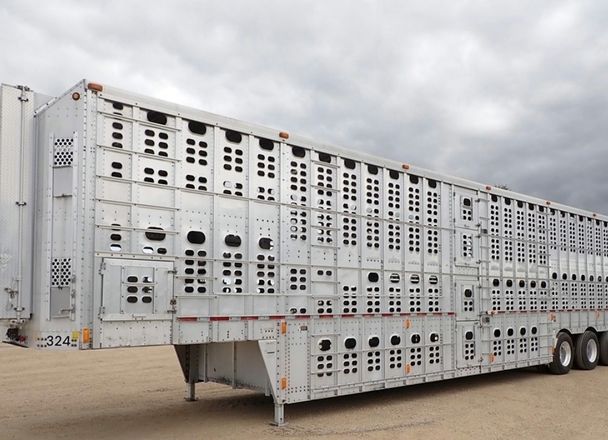
Every deck and the ramp washed from the top deck down at your wash bay, between loads.
Tractors · Skid steers · Combines
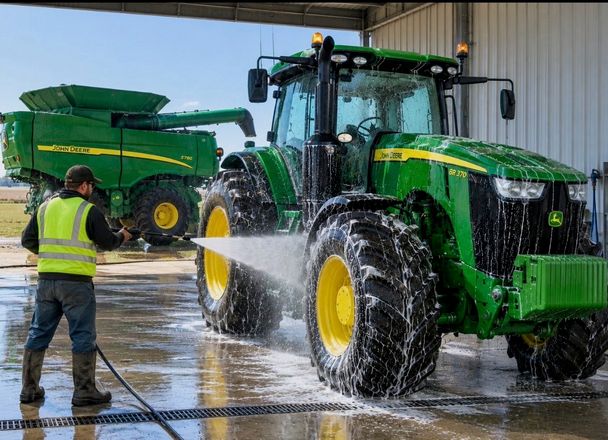
Hot or cold water and degreaser where needed — mud, grease and manure off, ready for the shed, the shop or the sale.
Freestall · Tie-stall · Robot barns
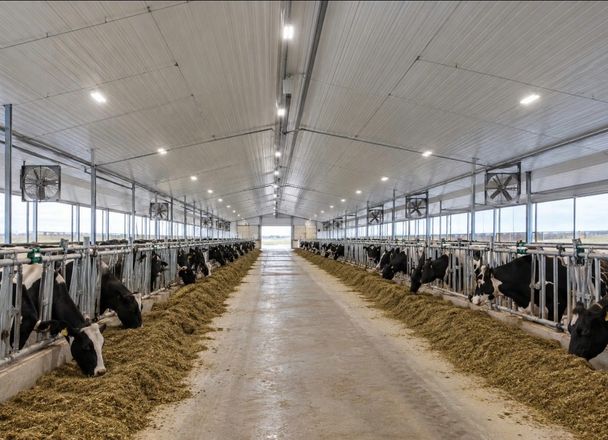
Ceilings and liners, fans, chimneys and head gates, washed panel by panel for your annual barn wash.
Anything else?
We’ll tell you straight if it’s a job for us.
Ready when you are