Once the storage empties
Before the new crop goes in.
ServicesProduce storage
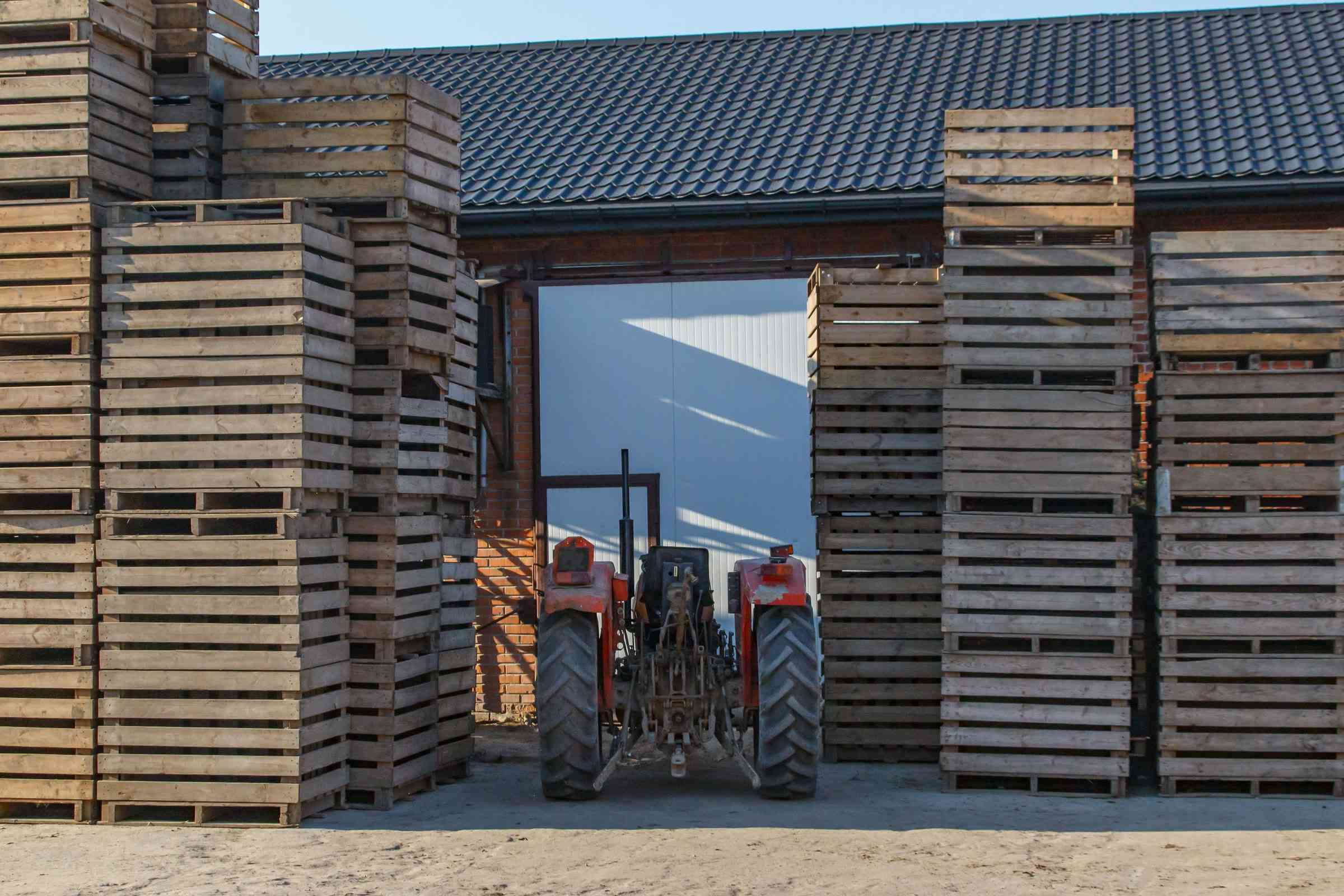
We wash potato and vegetable storage, apple and fruit cold storage, bulk bins and packing lines once the storage empties, before the new crop goes in. Our rig brings hot and cold water pressure washers and hooks up to your water.
Once the storage empties
Before the new crop goes in.
Storage, bins and lines
Floors, walls, ducts and conveyors.
Locked out first
Conveyors, graders and fans.
Hot or cold water
Our washers, your hydrant.
Windsor to Kingston
Lake Erie to Georgian Bay.
01 · When to book
Pick the window that suits your crop, or call when the storage is empty. We’ll get back to you to agree a day and a price.
Any time
Between packing runs
Conveyors, graders and packing-line exteriorsYour quote gives the time
With the line down and locked out. Ontario’s agriculture ministry advises cleaning equipment on a set schedule and keeping the records; we can work to yours.
Dec–Feb
Little or no washing while the storage is full
The crop is in and packing lines are running. Bins washed outside need days above freezing and time to dry.
Mar–May
Rooms and bins as the storage emptiesYour quote gives the time
Rooms empty one by one as the crop ships. A room washed once it’s empty has the summer to dry.
Jun–Aug
Storage, ducts and bins before harvestYour quote gives the time
Ontario Potato Board storage advice starts with a clean storage before the potatoes go in (2020). Leave time for floors, walls and bins to dry.
Sep–Nov
Rooms and bins still empty, just before they fillYour quote gives the time
Harvest fills the storage through the fall. A room or bin still empty can be washed and dried before it’s loaded. Late in the fall, outside work needs a day above freezing.
02 · What we wash
Tell us what you want done. We wash from the top down, so soil and dust don’t land on clean surfaces.
You do
We do
03 · References
Most farmers hear about us from a neighbour. Tell us your county and your storage, and we’ll ask a produce customer nearby if they’re happy to take your call. No sales pitch from us.
04 · Pricing
Every storage is different, so we price yours after a few questions or photos. These are the things that change the price:
05 · Questions
Something else on your mind? Call or text — you’ll talk to the crew, not a call centre.
Your storage and packing shed, once the crop is out: floors, walls, ceilings and doors, ventilation ducts and plenums as far as we can reach, bulk bins and pallet boxes, and the outside of conveyors, pilers, graders and packing lines. We wash; we don’t service refrigeration or controlled-atmosphere equipment.
Once it’s empty and before the new crop goes in, with time to dry in between. The Ontario Potato Board’s storage advice starts with a clean storage before the potatoes go in. Short notice? Call or text: if we have room, we’ll come.
Yes, once the room is empty and opened up. A controlled-atmosphere room has to be vented and the air checked before anyone goes in; that’s yours to do, and we wait until it’s done.
Yes, wood or plastic, in the yard or wherever you choose. Soil and crop debris come off with hot or cold water. Wooden bins take longer to dry, so leave time before they’re filled.
The outside surfaces, and inside as far as we can reach from the openings and access doors. If a job would need anyone inside a duct or plenum, we plan it with you first or we don’t go in.
Yes, the outside surfaces, once the line is shut off and locked out. Water stays off motors, control panels and sensors. Show us anything you want kept dry.
No: disinfecting stays with you or your licensed applicator, used to its label. It goes on clean surfaces, after the soil and debris are washed off.
Yes. Growers on a program such as CanadaGAP note how and when each storage was cleaned before it’s used in a season. Tell us what your schedule calls for, and we’ll wash to it and go over the work with you before we pack up.
Yes. Our rig carries hot and cold water pressure washers and hoses, not water. We hook up to your hydrant or tap. Tell us where the wash water should go.
We quote by the job, once we know the storage, the bins and the equipment. Size, build-up and how much is already cleaned out all change it.
06 · More services
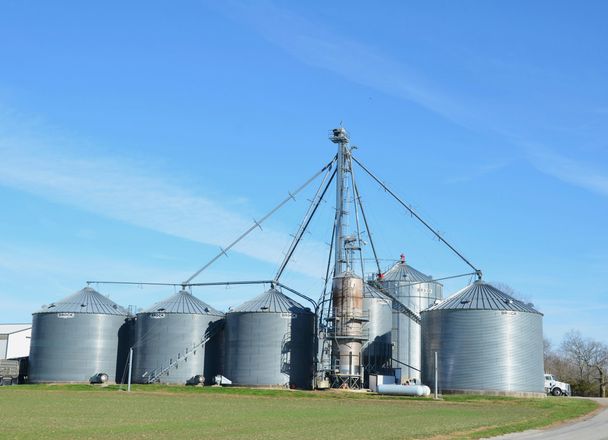
Elevators · Grain dryers
Grain elevators and dryers washed down once the grain is out, clearing the dust and fines of harvest.
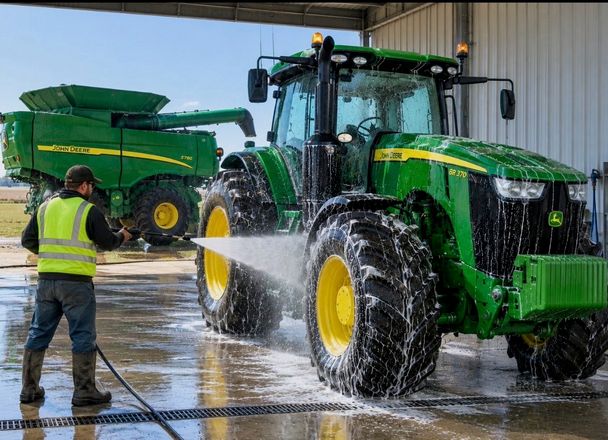
Tractors · Skid steers · Combines
Hot or cold water and degreaser where needed — mud, grease and manure off, ready for the shed, the shop or the sale.
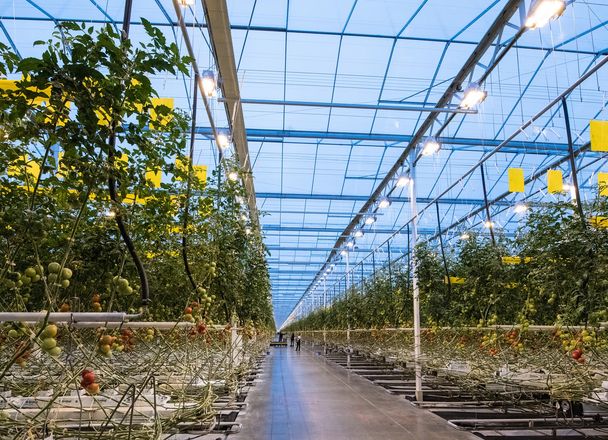
Vegetable and flower greenhouses
Vegetable and flower greenhouses washed down between crops, structure to floor.
Anything else?
We’ll tell you straight if it’s a job for us.
Ready when you are